An indie horror game blending stalker tension, anime visuals, and deadly Russian roulette mechanics is sounding the alarm: its developers are concerned AI-powered game-making tools could spawn cheap copycat titles that steal its core creative idea before the game even launches.
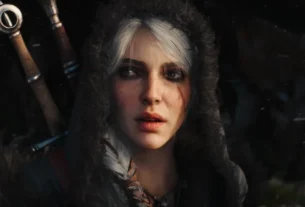
The upcoming title is a tense psychological horror experience built around an unsettling stalker premise. Players find themselves trapped in a claustrophobic cat-and-mouse dynamic with an obsessive anime-style pursuer, and the game’s central high-stakes mechanic revolves around Russian roulette. At key story turning points, you must gamble with your life using a revolver loaded with an unknown number of bullets. Every pull of the trigger is a brutal gamble, mixing dread, choice, and psychological pressure into one tightly focused horror package.
The game stands out thanks to its distinct tone. It merges anime character art, intimate visual-novel style dialogue, and that signature revolver gamble to craft a uniquely uncomfortable experience. Unlike generic jump-scare horror games flooding storefronts, its hook is specific and carefully refined by the small indie dev team. But now, the team fears AI game tools could replicate that hook quickly and cheaply.
Why AI Copycats Are A Real Concern For Small Indie Creators
The developer’s worry stems from the rapid rise of AI game generators. Modern AI tools can turn simple text prompts into basic game prototypes, character sprites, level layouts, and even rough gameplay loops in a fraction of the time a human team requires.
For large studios, cloned concepts are usually manageable. But for tiny indie teams working on niche experimental games, a fast AI-generated knockoff can steal attention, confuse players, and dilute the original work before the official release. Someone could feed the game’s core premise into an AI: “anime stalker horror game with Russian roulette revolver duels” and generate a rushed clone.
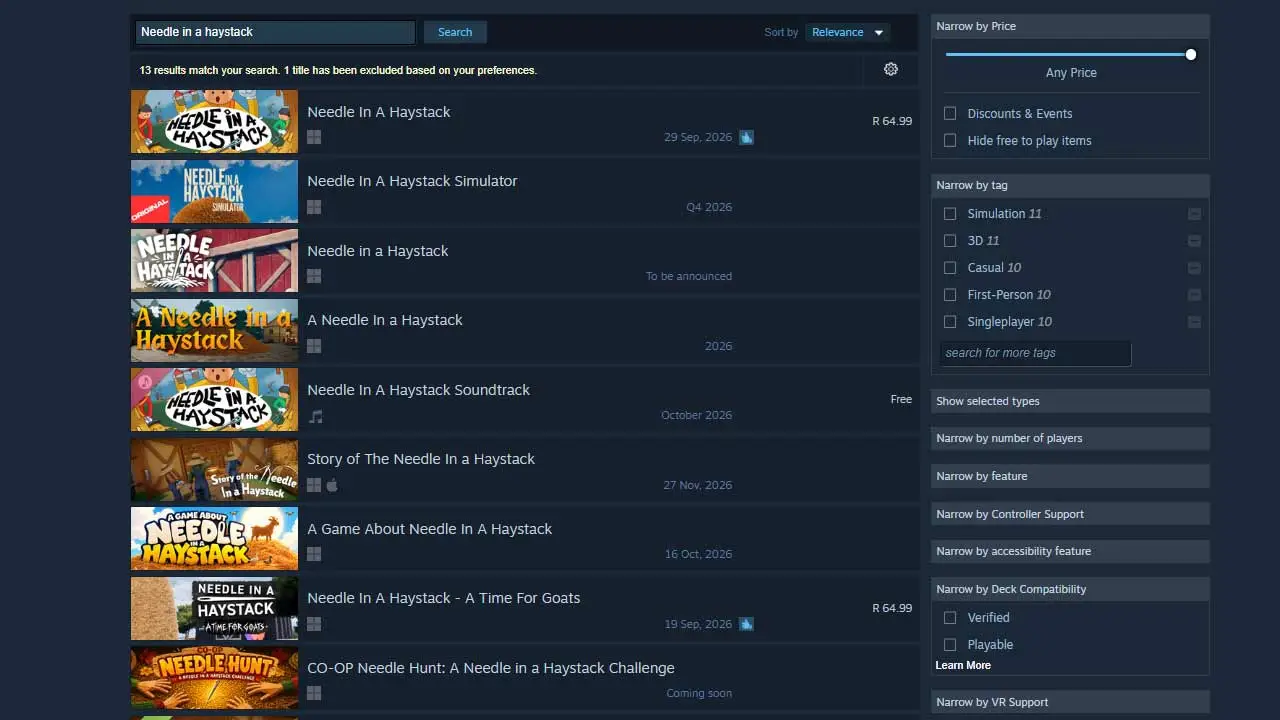
These AI copycats may be rough, buggy, and shallow, but they can hit storefronts fast. They use near-identical marketing hooks, similar anime-style AI art, and copy the same core selling point. Casual players browsing store pages may mistake the AI clone for the original, hurting sales and muddying the reputation of the developer’s months of handcrafted work.
The dev team emphasized that they aren’t opposed to AI as a tool entirely. Their concern is the ease of outright concept theft. It takes their team months to refine writing, balance risk mechanics, hand-tune animations, and polish the tense back-and-forth stalker narrative. An AI clone can replicate the premise in days, without putting in the same creative labor.
What Makes This Game’s Core Concept So Easy To Clone?
The game’s hook is simple to describe, which makes it vulnerable. The elevator pitch is short and memorable: anime stalker horror built around Russian roulette. That concise premise works wonderfully for marketing, but it also makes it easy for prompt-based AI systems to recreate.
The Russian roulette mechanic isn’t just a gimmick here. The revolver moments tie directly into the stalker’s manipulation of the player character. Your antagonist psychologically torments you, forcing you into these life-or-death gambles as a twisted test of trust and fear. The narrative context elevates the mechanic beyond a simple minigame. An AI-made knockoff could copy the surface-level Russian roulette feature but miss all the layered storytelling and psychological nuance that makes the original compelling.
Even so, players searching for “anime Russian roulette stalker game” may stumble on the AI clone first. For a small indie project relying entirely on word of mouth and wishlist traffic, that lost visibility can be devastating.
The Wider Problem: AI And Indie Game Idea Theft
This isn’t an isolated case. Many small indie developers have raised similar warnings about AI-powered copycat games. Original, weird, one-of-a-kind concepts are often the easiest to describe in prompts, making experimental horror, puzzle, and narrative games prime targets.
Ideas themselves are hard to legally protect. Copyright generally protects assets, code, and written text — not raw game concepts. That means there’s little legal recourse if another creator uses AI to make a new game with the same core hook. The original team can’t easily stop someone from cloning their premise, even if the clone uses AI-generated assets.
This creates a tricky environment for indie creators. To market their game, they need to share their unique hook to build wishlists. But every public reveal also gives AI tools a blueprint for a quick knockoff.
What The Team Is Doing To Protect Their Work
The developers are taking a few steps to defend their project. They’re documenting the full development timeline, sharing behind-the-scenes work-in-progress screenshots and dev logs to prove they created the concept first. They are also being careful about what details they release publicly, holding back some unique story beats to reduce how much AI can replicate.
They’re also leaning into community. By building a dedicated early fanbase, the team hopes players will be able to tell the difference between the handcrafted original and hastily assembled AI clones. Fans familiar with the dev’s vision can spot shallow knockoffs and spread the word about the real game.
Final Thoughts
This anime stalker Russian roulette game highlights a growing anxiety in indie game development. AI lowers the barrier to building playable prototypes, but it also makes concept cloning easier than ever. The core fear isn’t that AI will make better games — it’s that fast, low-effort clones can steal the spotlight from original creators who spent months refining a unique vision.
It’s a fascinating debate: how do creators protect creative ideas in an era where AI can quickly turn a one-sentence pitch into a playable game?
What do you think? Should game stores add safeguards to flag AI copycat games? Can indie devs realistically protect their unique concepts? Share your thoughts in the comments below!