Mark Darrah, former BioWare executive producer behind Anthem and multiple Dragon Age projects, has issued a stark warning about CD Projekt Red. In a recent interview, he argues the Polish RPG studio has entered a high-risk tier of AAA game development, where ballooning production and marketing budgets force enormous sales targets just to break even. It’s a lesson he learned firsthand through the troubled, costly development of Anthem.
Darrah’s core argument
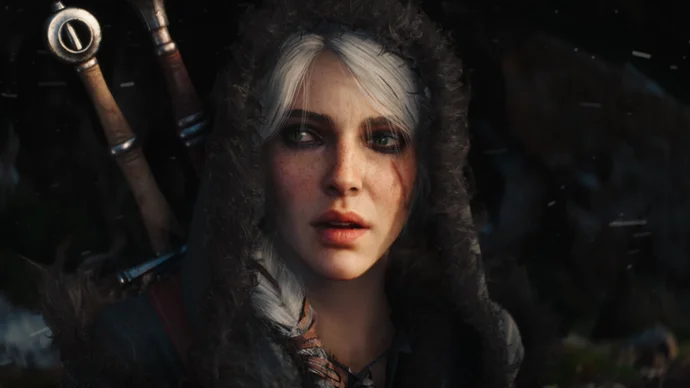
Darrah says CD Projekt now occupies that elite, fragile bracket of blockbuster game development. Their upcoming large-scale RPGs, including The Witcher 4, require 15 to 20 million copies sold to turn a profit. That threshold puts the studio in “a really dangerous place.”
The problem is simple: modern AAA quality expectations keep inflating budgets. Higher fidelity assets, bigger open worlds, motion capture, cinematic cutscenes, voice acting, and global marketing all stack up. Every upgrade in visual polish and scope adds millions to the bill.
Unlike smaller games that can hit profitability with modest sales, CD Projekt’s next flagship releases cannot afford a soft launch. Miss that 15–20 million sales mark, and the project loses money. Darrah describes this tier of AAA as hyper-specialized and hyper-fragile; one big misstep can inflict lasting damage on a studio.
Why his perspective carries weight
Darrah knows the risk of bloated AAA projects from the inside. As executive producer on Anthem, he lived through a notoriously difficult development cycle, with huge spending and a rocky launch that failed to meet expectations. He also worked on Dragon Age titles, witnessing how scope creep and rising production costs can sink even high-profile RPG projects.
He’s not saying CD Projekt is doomed. Instead, he’s pointing out the business risk that comes with chasing blockbuster open-world RPG quality. After the messy launch of Cyberpunk 2077, CD Projekt rebuilt its reputation through years of patches and the acclaimed Phantom Liberty expansion. Now the studio is investing heavily in its next generation of flagship games, raising the financial stakes.
CD Projekt’s history of high-stakes releases
CD Projekt has proven it can hit those massive sales numbers before. The Witcher 3 sold tens of millions of copies, and Cyberpunk 2077 eventually bounced back after its disastrous launch. But past success is no guarantee.
The gaming market is far more crowded now. Players have dozens of huge RPGs and open-world games competing for their time and money. Even beloved franchises face stiff competition. And when budgets grow this large, there’s far less room for delays, feature cuts, or mixed critical reception.
The studio has also expanded its pipeline: multiple big projects are in parallel development, including the new Witcher saga, Cyberpunk sequel Project Orion, and a brand-new IP. All of these carry heavy price tags.
The wider industry trend: rising costs for big-budget games
CD Projekt is far from alone. Across the industry, blockbuster development costs keep climbing. Studios need bigger teams, longer production timelines, and more expensive tools to deliver the level of polish players expect.
This creates a brutal cycle:
- Players demand higher graphical fidelity, larger worlds, more cinematics.
- Studios spend more money to meet those expectations.
- Break-even sales targets rise higher.
- The margin for error shrinks dramatically.
That’s the danger Darrah highlights. When a single game must sell 15–20 million copies just to be profitable, the studio’s fate becomes tied to public reception, release timing, reviews, and consumer sentiment. Any one of those can go wrong.
Counterpoints: CD Projekt’s strengths
There are reasons CD Projekt may be better positioned than many AAA studios to weather this pressure.
- It has one of the most loyal fan bases in RPG gaming.
- The Witcher and Cyberpunk brands carry huge global recognition.
- Phantom Liberty restored trust after Cyberpunk’s rough launch, proving the studio can deliver premium DLC.
- CD Projekt has leaned into flexible live post-launch support, extending revenue long after release.
Still, none of that removes the basic math. Bigger budgets mean higher sales requirements. Even strong franchises can underperform if market conditions shift.
What this warning means for players
For fans, Darrah’s observation helps explain why big studios are increasingly cautious, and why some projects get scaled back or canceled. The economics of massive open-world RPGs are getting harder to sustain.
It also explains why studios are more likely to consider live-service hooks, DLC, cosmetic sales, and multiplayer add-ons: pure single-player premium releases alone are becoming riskier at this scale.
That said, Darrah’s comment is an industry veteran’s analysis, not a prediction of failure. CD Projekt’s leadership has its own roadmap and risk management strategy, and the studio hasn’t responded directly to his remarks.
Final thoughts
Mark Darrah’s warning shines a light on the harsh economics of modern AAA game creation. CD Projekt Red’s ambition to keep making massive, high-quality open-world RPGs comes with a steep price tag, forcing break-even sales figures that would sink most studios.
The studio has pulled off blockbuster hits before, but as Darrah notes, the higher the budget climbs, the more dangerous the gamble becomes. It’s a reminder that every big, polished RPG we play is backed by an enormous financial bet — and not every studio survives when that bet doesn’t pay off.