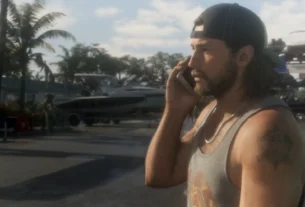
Rockstar Games has launched a massive real-world marketing blitz across Miami to hype up GTA 6, whose fictional Vice City draws heavy inspiration from Florida’s iconic coastal metropolis. But this high-profile partnership has ignited fierce debate among Miami-Dade county officials, with some lawmakers arguing the campaign unfairly paints Miami as a violent murder capital.
For GTA fans, seeing Vice City branding pop up across Miami is a dream crossover. The marketing rollout includes a huge “Welcome to Vice City” logo mounted on the Kaseya Center arena roof, branded cars cruising city streets, blimps floating overhead, custom beach installations, and a Miami Heat basketball crossover event. Rockstar’s multi-million-dollar deal pays the county to turn parts of real Miami into a promotional playground ahead of GTA 6’s November launch.
Not every local leader is excited about the collaboration. Miami-Dade Commissioner René Garcia has been one of the most vocal critics. As quoted by the Miami Herald, Garcia argued that by partnering with Rockstar, the county risks reinforcing a harmful stereotype: “We’re depicting Miami like a murder capital.” Commissioner Micky Steinberg echoed the opposition, stating she philosophically believes the county should not move forward with the marketing agreement.
The Core Of The Dispute
The disagreement boils down to two competing visions for what this partnership means for Miami’s public image.
Opposing commissioners point out that GTA 6 is a crime fiction game centered on robberies, carjackings, police chases, drug trafficking and violence. They worry that county government endorsing this promotion sends the wrong message. Miami has spent decades working to move past outdated, sensationalized stereotypes of crime and corruption. These officials argue that taxpayer-owned public spaces should not be rented out to advertise a game built around lawless criminal chaos.
On the other side of the debate, supporters of the deal frame GTA 6 as fictional entertainment. Miami-Dade Mayor Daniella Levine Cava’s office views the collaboration as an opportunity to generate millions in revenue for local government and boost tourism. Her team even describes GTA 6’s Vice City as a love letter to Miami’s unique culture, nightlife, beaches and bold personality. The supporters note the county is simply leasing ad space, not endorsing every theme and story beat inside the video game.
This split created a tense vote in county chambers. The Miami Beach portion of the promotion narrowly passed by a slim 4-3 margin, showing just how divided local government is on the project. Some of the more ambitious proposals, including branding at Miami International Airport, remain stuck in negotiations due to this political pushback.
What GTA 6’s Vice City Represents
GTA 6 is set in Vice City and the surrounding fictional state of Leonida, a satirized version of Florida. Rockstar has always leaned into over-the-top satire in the Grand Theft Auto series. The franchise does not aim to be a realistic documentary; it exaggerates social trends, tabloid culture and crime for dark, humorous storytelling.
That distinction is the heart of the argument for game fans and Rockstar defenders. Vice City is a cartoonish, amplified fantasy Miami, not a documentary reflection of the actual city and its residents. Critics of the partnership counter that most casual viewers will only see the surface association: Miami = the violent criminal playground shown in GTA.
How The Marketing Takeover Unfolded
The campaign kicked off with the giant logo installation at Kaseya Center, costing Rockstar nearly $1 million for the rooftop sign alone. After that first activation went live, Rockstar expanded quickly. Custom wrapped vehicles matching the cars players drive in GTA 6 were spotted driving along Miami roads, while branded beach chairs and signage popped up at popular waterfront areas. Blimps carrying GTA 6 artwork circled above the coastline.
These eye-catching activations went viral on social media, drawing huge crowds of GTA fans to take photos. The viral buzz is exactly what Rockstar wanted, but the public visibility also amplified the political backlash. Every branded car or billboard becomes another talking point for county commissioners debating whether the city is selling its reputation for marketing cash.
Broader Questions: Games, Fiction And Real City Branding
This controversy raises a bigger cultural question: Should cities host marketing events for mature, violent video games?
Movies, novels and TV shows have long used Miami as a backdrop for crime stories. From Scarface to countless crime thrillers, the city has appeared in dark fictional narratives for decades. What makes the GTA 6 case unique is the scale of official county government partnership. Local authorities are actively getting paid to host the promotion on public property, which makes the debate feel more personal.
Video game supporters argue creative fiction should not be treated as a reflection of real-world places. Critics respond that local governments have a responsibility to protect their city’s brand, and accepting Rockstar’s money comes with reputational risk.
Final Thoughts
Rockstar’s bold Miami takeover is already one of the most memorable marketing pushes in gaming history, but it comes with real political friction. The GTA 6 promotion perfectly captures the tension between blockbuster entertainment and real-world civic image.
For fans, it’s thrilling to see Vice City come alive on real Miami streets. For local officials, it is a complicated tradeoff: millions in revenue versus the risk of reinforcing old, harmful stereotypes about the city.
The debate will continue right up until GTA 6 releases this November. What do you think? Should Miami-Dade move forward with this partnership, or is the risk to the city’s reputation too high? Share your opinion in the comments below!